Artificial Intelligence Intensifies Trade Secret Risks
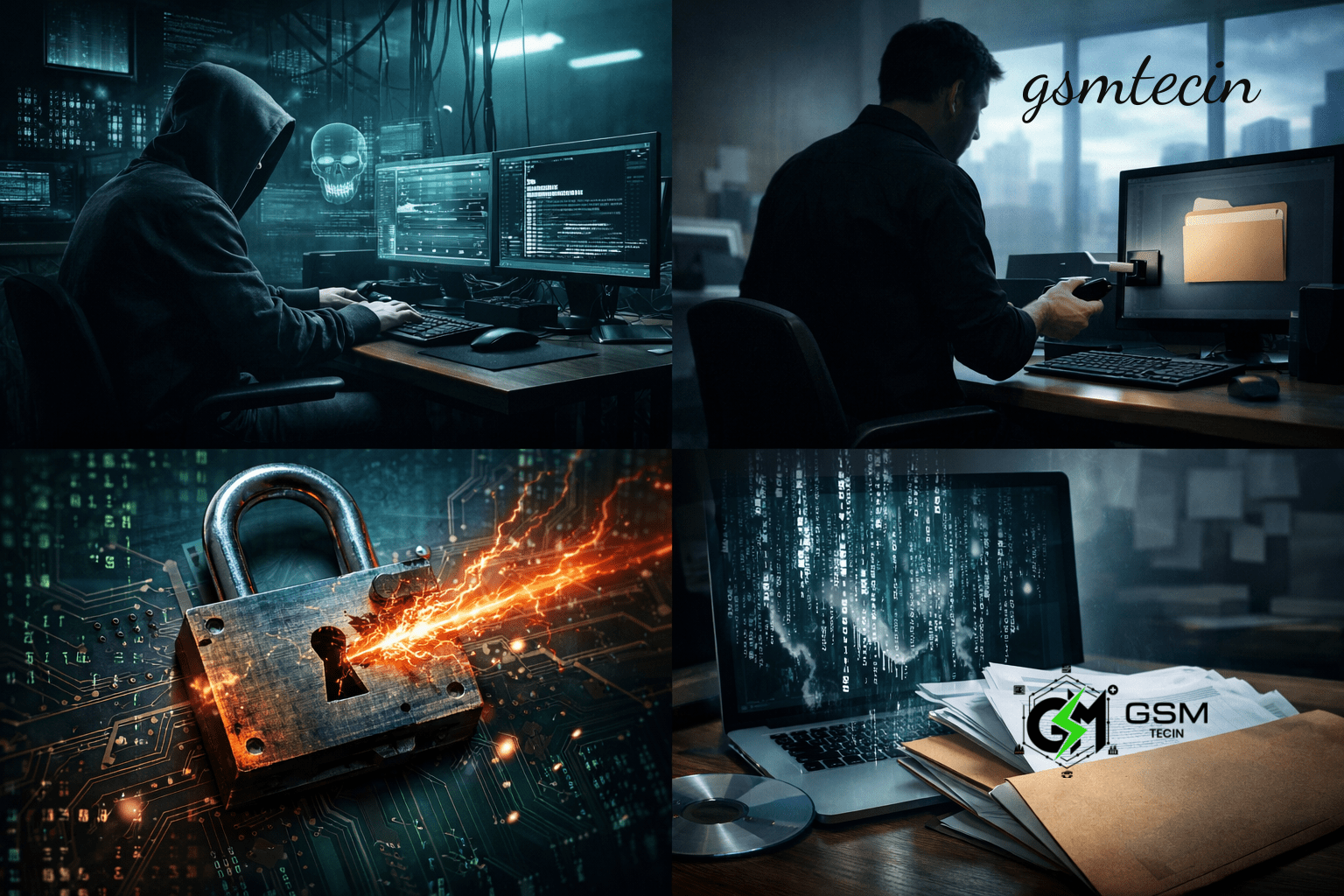
The theft of trade secrets has become more common across different industries because artificial intelligence (AI) technology creates new challenges which make detection of the thefts more difficult. The digital espionage threats which businesses face have increased because companies now rely more on their proprietary data and algorithms and research and confidential business strategies.
The implementation of artificial intelligence systems provides organizations with important advantages but these systems also enhance the operational abilities which cybercriminals and malicious actors use to conduct their activities.
What Are Trade Secrets?
Trade secrets include confidential business information such as source code, product formulas, manufacturing processes, customer databases, pricing strategies, and research data. Companies protect their trade secrets through non-disclosure agreements because these secrets remain hidden from public knowledge until they become known.
The worth of their assets relies completely on their ability to maintain confidentiality. Organizations experience financial damage and loss of reputation and diminished market strength when their confidential information becomes public.
Digital Transformation Has Increased Vulnerability
The Digital Transformation process now creates increased security risks for organizations. Modern business operations have created greater risks for organizations because they handle sensitive information.
Cloud computing together with remote work and global partnerships and complex supply chains establish multiple methods for cyberattacks to occur. The use of AI technology enables attackers to develop more advanced and intelligent and adaptable methods which increase security risks.
AI-Powered Cyberattacks Are More Advanced
Hackers now use machine learning tools to automate phishing campaigns, detect vulnerabilities, and bypass traditional security systems. AI systems can analyze extensive data sets to discover security weaknesses that exist in organizational systems.
The automated systems conduct tests on multiple attack methods at high speed while they learn from mistakes and modify their operations in real time. AI-powered attacks achieve greater operational efficiency because of their ability to adapt, which makes them more challenging to detect than traditional hacking techniques.
AI-Enhanced Social Engineering
Generative AI tools generate phishing email content which appears authentic and creates fake documents and develops deepfake audio and video material that impersonates executive staff members. Employees may unknowingly share confidential data after receiving what appears to be legitimate instructions.
The personalized and authentic nature of AI-powered systems increases the effectiveness of these fraudulent activities.
Growing Insider Threats
Rising levels of insider threats to organizations pose danger to their security systems. The practice of insider threats has developed into new forms through its current progress. Employees with access to sensitive information can use AI tools to extract, organize, and transfer large volumes of data rapidly.
AI technology enables users to create deceptive patterns which will prevent detection by monitoring systems. The system can produce complete summaries of secret data by using only partial data, which enables unauthorized access to vital information without stealing complete documents.
Risks from AI Model Training
AI model training produces a new risk because it creates another danger. Companies use their internal data to train AI systems which helps them achieve better productivity and operational insights.
The lack of proper system security measures leads to unauthorized access of protected company data. Employees might upload confidential documents to external AI platforms without realizing the potential consequences, creating unintended data leaks.
Intensified Global Competition and Espionage
The global race to lead in AI development has increased economic espionage. Companies and even nation-states seek access to advanced algorithms, semiconductor designs, and valuable training datasets.
The essential role of AI technology in defense and healthcare and finance and infrastructure sectors has made its intellectual property valuable to attackers.
Lower Barriers for Cybercriminals
AI has made it easier for cybercriminals to start their illegal activities because it has reduced the technical requirements for cybercrime. The development of user-friendly platforms now allows users to access tools which were previously limited to those with expert coding abilities.
The new technology accessibility allows both individual users and organized groups to execute complex cyber attacks. Criminal networks have gained improved capabilities for executing their operations across different countries.
Severe Financial and Strategic Impact
The consequences of trade secret theft can create severe damage to businesses. The research and innovation and investment of companies will become lost for multiple years after their trade secrets undergo theft.
A single security breach creates a critical threat to startup businesses because all their operations depend on one violation. Legal actions to recover stolen trade secrets are often lengthy and expensive, and once information is leaked or replicated, it may be impossible to fully recover.
Strengthening Cybersecurity Defenses
To address these threats, organizations need to enhance their existing cybersecurity systems. The organization requires both zero-trust architectures and multi-factor authentication and continuous monitoring as fundamental security mechanisms.
The defensive capabilities of AI enable it to identify unusual activities which lead to alerting about suspicious data access while automatically managing security breaches.
The Importance of Employee Awareness
Technology requires more than its existence because employee training has become essential for identifying phishing attacks and understanding data sharing threats and maintaining secure handling procedures for proprietary materials.
Organizations require established guidelines that define their staff members’ access rights to external AI technologies and prohibit the transfer of sensitive information to unauthorized platforms. The implementation of regular audits together with strict access controls decreases potential security breaches which organizations face.
The Role of Governments
Governments must also contribute through stronger intellectual property laws, stricter penalties for economic espionage, and international cooperation. The increasing global nature of cybercrime requires coordinated worldwide efforts to safeguard both business operations and technological progress.
Conclusion: A Double-Edged Sword
The use of AI technology creates two opposing effects because it drives innovation and operational efficiency but simultaneously provides better tools for stealing confidential business information. In a digital economy where companies value their data and intellectual property rights, businesses need to maintain constant security measures.
Companies need to implement advanced security solutions, develop employee knowledge, and establish protective policies to safeguard their trade secrets in the AI era. The advanced technologies that drive progress will become tools for competitive destruction if companies fail to implement protective measures.