Punch Turns Plush Toy Into Viral Sensation
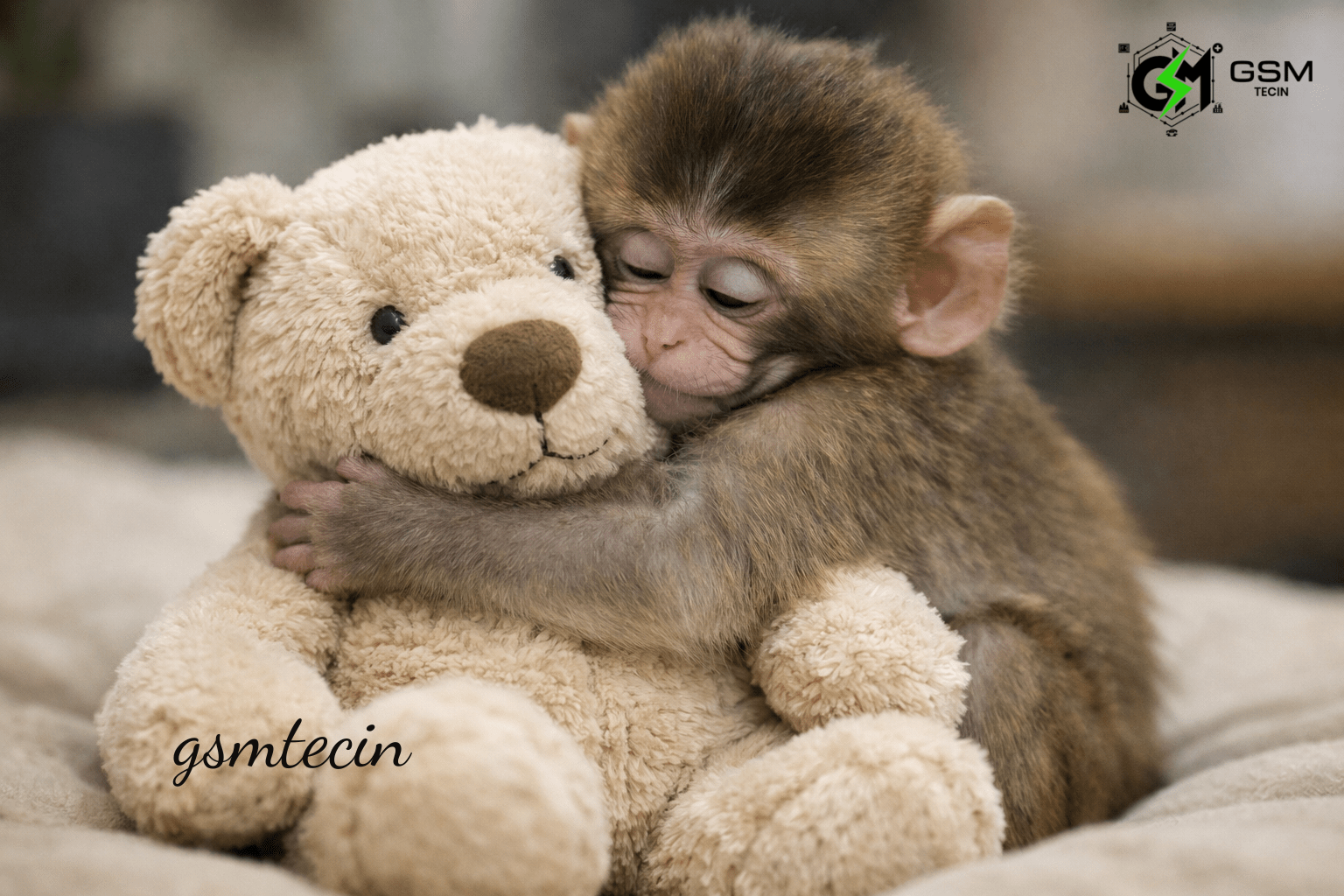
Punch the internet’s beloved baby monkey created a worldwide phenomenon when he transformed a basic stuffed animal. What started as a sweet video showing a baby macaque embracing an orange plush orangutan developed into a social media phenomenon.
The emotional footage reached millions of viewers who shared and commented and reposted it within hours after the clip began to circulate online. The sight of a tiny monkey clinging tightly to a soft toy struck a universal chord which transformed an ordinary product into a cultural moment.
The viral wave demonstrates how powerful emotional storytelling can be in the digital age. A single heartwarming clip was enough to spark global curiosity-not only about Punch’s story, but also about the toy that became his constant companion.
Who Is Punch?
Punch is a young Japanese macaque living at Ichikawa City Zoo near Tokyo. He was born in July 2025 but his mother abandoned him immediately after his birth. Newborn primates depend on their mothers to provide essential maternal care which protects them from danger while it also helps their emotional growth. Punch needed to learn how to deal with people because his first contact with others brought him feelings of anxiety and social disconnection.
Zoo staff stepped in immediately, providing round-the-clock medical attention and nurturing support. The caretakers worked to find methods which would help the infant feel better while reducing his distress. The staff introduced a plush toy into his enclosure at that time. The plan required Punch to receive a soft object which he could cling to in order to simulate the way baby macaques hold onto their mothers.
The plan showed better results than all people involved in the project had anticipated. The stuffed animal became Punch’s first attachment which he developed. The online community created the nickname “Punch-kun” for him which became his most popular name because his relationship with the toy turned into an entertaining online phenomenon.
The Plush That Won Hearts
IKEA sells DJUNGELSKOG orangutan which became a global sensation as its most popular stuffed animal. The plush toy from IKEA’s wildlife-themed children’s collection offers softness and durability and maximum cuddle potential to users.
The orangutan measures 66 centimeters in length and uses polyester fibres for its body while safety regulations require it to have embroidered facial features. The design of the product includes long arms which enable “cling” movements that imitate the way real apes hang from trees. The design functionality of this product created an ideal solution for Punch because he could use it to grasp onto his mother in the same way he wanted to do.
Punch can be seen in videos while he sleeps with the toy and carries it with him and holds it tightly while watching everything around him. The visual similarity between the baby monkey hugging the plush and a child holding a favourite teddy bear resonated deeply with viewers worldwide.
Why the Story Went Viral
Punch’s story achieved rapid dissemination because it featured three elements which showed his personal weaknesses and his childlike nature and his journey towards emotional recovery. The audience felt deep sympathy when they saw the baby animal which had been abandoned searching for comfort. The viewers of the scene connected it to their personal experiences from childhood when they used security blankets and their most treasured toys.
The emotional story brought more people to the interactive experience. Social media platforms were flooded with comments asking about the toy’s name, availability and price. The DJUNGELSKOG collection experienced a major search spike which caused multiple locations to run out of their plush inventory because of high customer demand.
The viral attention brought advantages to the zoo. People increased their zoo visits because they wanted to see Punch. His story transformed from a passing trend into a powerful representation of strength and compassion.
IKEA’s Response
IKEA recognized the viral moment after people worldwide started to show increased interest in its brand. Company representatives visited the zoo and donated additional plush toys to ensure Punch would always have a companion. The gesture further strengthened public affection toward both the brand and the baby monkey.
Fans even gave the orangutan plush a nickname: “Oran-Mama,” which showed how the toy provided the user with maternal comfort.
How Much Does the Plush Cost?
The DJUNGELSKOG orangutan plush has gained worldwide recognition yet still maintains its budget-friendly price. The product is sold in the United States for approximately $19.99, which equals around ₹1,650. The price of specific product variants in India ranges between ₹842 and other amounts, which depends on their dimensions and the locations of stores.
Online resellers have raised their prices because customers started to demand products after the viral trend led to increased popularity.
More Than Just a Trend
The plush toy has gained sudden popularity yet its main value exists in Punch’s emotional development. Experts study animal behavior to demonstrate that young animals who lose their mothers use comfort objects as rehabilitation tools. The objects help people experience less stress while developing normally and receiving mental health support.
Zoo officials report that Punch has developed confidence through his interactions with the plush toy which has enabled him to join the monkey troop. Over time, he may rely on it less as he becomes more socially secure.
The project started to help a deserted infant macaque has developed into an international representation of compassion and recovery through unexpected human connections. The orange orangutan plush has transformed from a retail product into a symbol that demonstrates how compassion can bring peace through physical contact with a comforting object.